
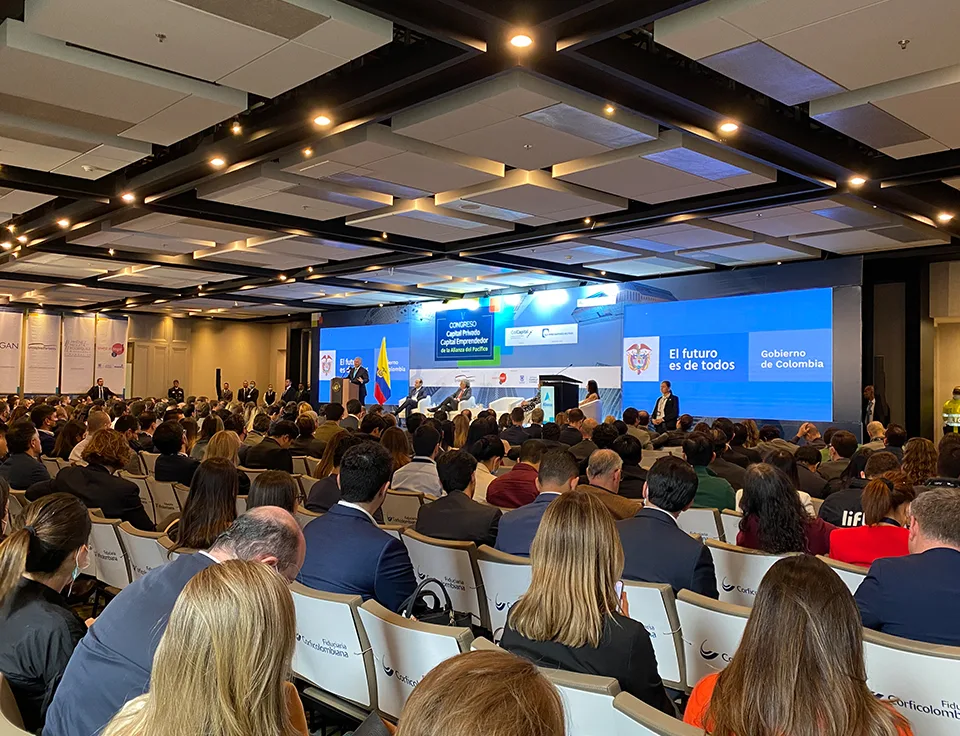
The Brain in the Heart of Experience
The success of an event, whether it is a product launch, brand activation or conference, does not depend solely on impeccable logistics or quality content. While these elements are fundamental, the real magic lies in something much deeper: how the brain of attendees is activated to generate genuine emotions, lasting memorability and an authentic connection with the brand. In a world saturated with information and stimuli, experiential marketing, enhanced by the knowledge of neuroscience, stands as the key to transcending the ephemeral and creating real impact.
Understanding the Attendee’s Mind: Emotion, Memory and Connection
Neuroscience has given us invaluable tools and knowledge to understand how we process information, make decisions and form memories. Applying these principles to experiential marketing allows us to design events that not only entertain, but also activate specific neurological springs.
- The Emotion as Anchor of Memory: Our brain is programmed to prioritize and remember with greater intensity those experiences that are accompanied by a strong emotional burden. An event that manages to awaken joy, surprise, inspiration or even nostalgia is much more likely to be engraved in the long-term memory of attendees. The tonsil, the emotional center of the brain, plays a crucial role in this process, marking significant experiences for its later memory. Strategies such as evocative storytelling, the use of shocking music or the creation of unexpected "wow" moments are fundamental to spark this emotional spark.
- Building Living Memories: Memory is not an accident. Neuroscience teaches us that factors such as novelty, personal relevance and spaced repetition (or the intense experience of a single moment) strengthen neural connections that form memories. In the context of an event, this translates into designing multisensory experiences involving sight, hearing, smell, taste and touch. Each sensory stimulus creates a new path of access to memory. In addition, the "peak-end rule" suggests that people judge an experience based on how they felt at their most intense moment (the peak) and at the end. Therefore, it is crucial to design these culminating moments and closures strategically.
- Forging Enduring Connections with the Brand: When an event succeeds in generating positive emotions and memorable memories, a powerful phenomenon occurs: the transfer of those sensations to the organizing brand. The brain associates rewarding experience with the brand, creating an affective bond that goes beyond simple commercial transaction. This emotional connection fosters loyalty, preference and the likelihood that attendees will become brand ambassadors. Experiences that allow co-creation, positive social interaction and reflect brand values in an authentic way are especially effective in building this emotional bridge.
Neuro-Experiential Strategies for Impactant Events:
Applying neuroscience to experiential marketing involves an intentional and assistant-centered design:
- Sensory dive: Consider each sensory point of contact. From lighting and color palette (visual neuromarketing), music and sound effects (auditive neuromarketing), to carefully selected aromas (olfactory marketing) and textures or tastings (kinesthetic and taste marketing). Small details can have a great impact on perception and memory.
- The Power of Storytelling: Narratives activate multiple areas of the brain, facilitating understanding, empathy and retention. Build a coherent and exciting story around your event and brand.
- Generate Surprise and Newness: The brain responds with intensified attention to the unexpected. It introduces surprise elements, novel activities or fresh perspectives to capture and maintain interest.
- Promoting Interaction and Participation: Active experiences, where the assistant is a protagonist, generate greater commitment and memorability than passive ones. Design opportunities for interaction, collaboration and co-creation.
- Create "Instagrammeable" (and "Centrally Attractive") Moments: While aesthetics are important, think at times that not only look good, but encapsulate the emotion and central message of the event, making it easier for attendees to capture and share them, amplifying impact.
- The Conscious Closing: Pay special attention to the end of the experience. An emotional, inspiring or summarizing key points can significantly influence the overall perception of the event.
The Future of Events is Brain Smart
In short, neuroscience offers us a roadmap to design events that not only look good or sound good, but also Sit down. deeply and vividly remember each other. By understanding how the brain of our attendees works, we can move from organizing simple events to creating real transformative experiences.
In GUIO, this philosophy is the core of everything we do. We understand that to generate a real impact, it is not enough to run, you have to connect. Therefore, our approach is defined in three fundamental pillars: We tell stories sounding in the mind and heart; We create experiences immersive and multisensory that leave an indelible footprint; and, as a result, Let's move hearingsinspiring action and fostering lasting loyalty to your brand. The future of events is, without a doubt, brain-intelligent and emotionally resonant, and we are here to build it with you.
Are you ready for your events to leave an indelible imprint on the memory of your audience?
In GUIO, we tell storieswe are passionate about the art of storytelling and the creation of experiences Immersive. We merge creativity with experience because we know that when We tell stories, create experiences, and move audiences.